Licensing Networks in Film and Streaming: Squid Game as a Case Study in Global Rights Control
Netflix’s rise from a DVD by mail service to a global streaming platform is often told as a technology story. In practice, it is equally an IP story. The creative industries sit on layered rights, fragile chains of title, and complex compensation norms. Streaming has not removed that complexity. It has reshaped it. The key shift is that value is less tied to one title’s advertising revenue or one film’s box office window. Value increasingly sits in the platform’s overall library, the user experience, and retention. That change influences how rights are licensed or assigned, how exclusivity is structured, and how creators are compensated when a show becomes a worldwide hit.
Squid Game is a useful lens because it combines global distribution, cultural specificity, and franchise potential. It shows how a streaming platform assembles worldwide rights and then expands from a series into a licensing👉 Permission to use a right or asset granted by its owner. network that includes dubbing, subtitling, marketing, merchandising, and potentially games, live experiences, and spin offs. It also highlights a central tension. Classical broadcasting often shares upside through residuals and royalties. Streaming contracts are more frequently built around upfront buyouts and broad assignments to secure global exploitation. The industry structure, and the business model👉 A business model outlines how a company creates, delivers, and captures value. behind it, shapes the IP terms.
Background material on the IPBA Connect platform
Here 🧭diplex pages by IP subject matter experts:
- Where European Software Patents Meet US Eligibility by Robert Plotkin
- Mastering IP Management: A Framework for Excellence by Dr.-Ing. Martin Bookjans
- Turning IP into Value – Smart Licensing Models by Andreas Jacob
- Trademarks and Copyrights on Social Media by Maria Boicova-Wynants
- Design Rights: Protecting Visual Innovation by Malgorzata Zyla
Here the relevant 🔎IP Management👉 Strategic and operative handling of IP to maximize value. Glossary entries on
The Movie, Streaming, and Broadcasting Industry Landscape
The moving image industry is not one market. It is a set of connected markets with distinct products, distribution paths, and revenue logic. Movies are typically financed title by title, with a theatrical window, then a sequence of downstream windows such as transactional video on demand, pay television, free television, and sometimes library licensing. Broadcasting has historically monetized attention. It sells advertising inventory, or it sells carriage through cable and satellite fees, or both. Streaming platforms monetise access, mainly through subscriptions, sometimes supported by advertising tiers.
These models coexist and overlap. A film can premiere in cinemas, then land on a streamer. A broadcaster can launch its own streaming service. A streamer can commission content that later finds a second life through licensing to other channels in certain territories or time windows. As a result, rights are negotiated along multiple dimensions: territory, language, time, platform, exclusivity, and permitted adaptations.
The economic scale is significant. Premium series and films have high fixed costs, uncertain demand, and long lead times. Financing therefore relies on risk👉 The probability of adverse outcomes due to uncertainty in future events. sharing, portfolio logic, and predictable exploitation rights. For a platform, a single title may not be evaluated only by direct revenue. It is evaluated by how it contributes to subscriber acquisition, engagement, churn reduction, and brand👉 A distinctive identity that differentiates a product, service, or entity. positioning. That makes rights clearance and control commercially central.
Core Challenges, Products, and Market Dynamics
The first challenge is uncertainty. Creative success is hard to forecast. Even with data, audience response can surprise. That uncertainty shapes contracts. Rights holders seek to limit downside and secure upside. Distributors seek broad exploitation rights to capture the value of unexpected hits.
The second challenge is fragmentation of rights and stakeholders. A single series can involve writers, directors, performers, composers, production companies, studios, and distributors, each with potentially different rights and collecting society relationships. A weak link in the chain of title can block distribution, trigger takedowns, or create costly litigation.
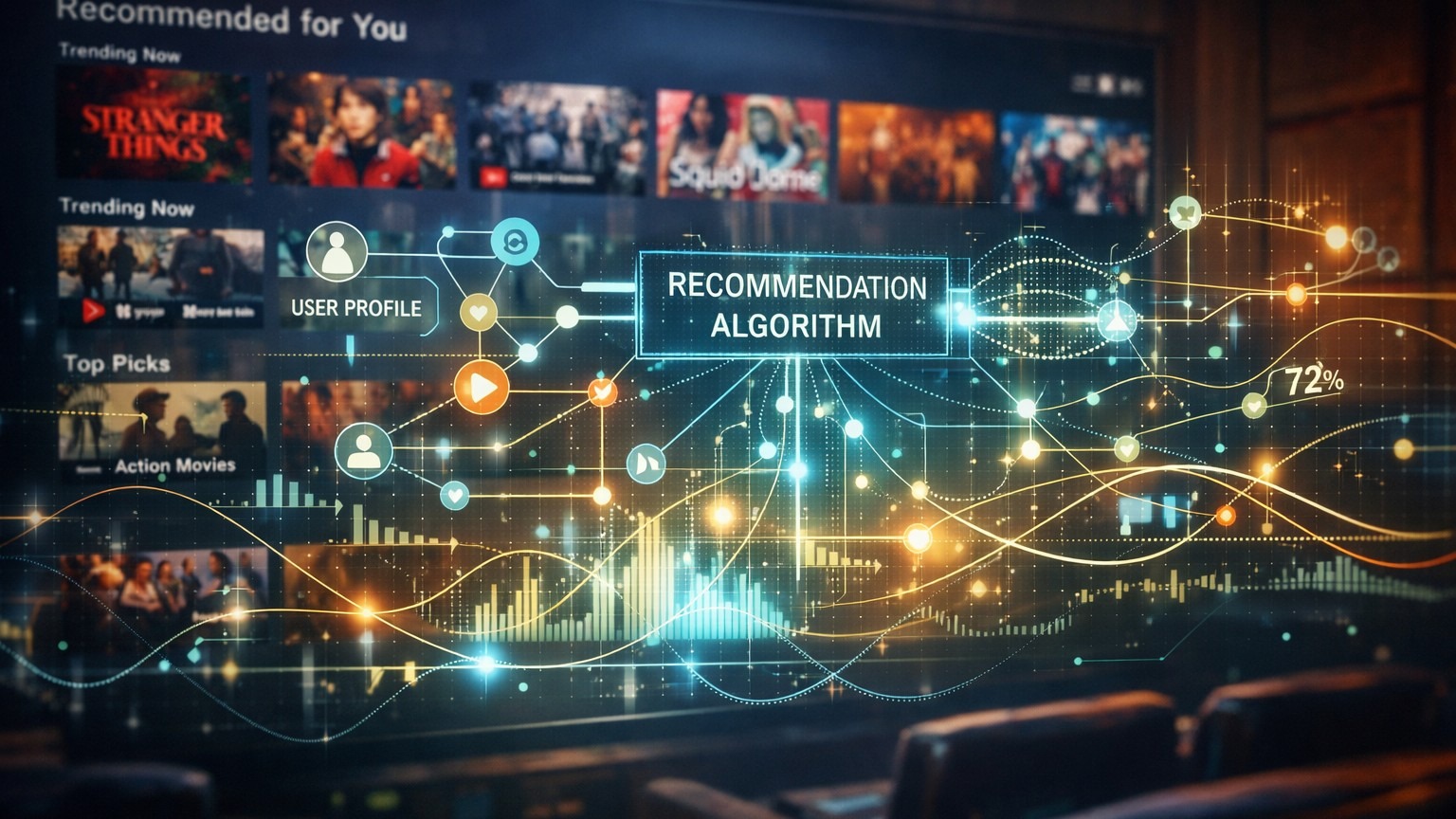
The third challenge is technological change. Streaming depends on cloud distribution, compression, content delivery networks, device ecosystems, digital rights management, and recommendation systems. The product is not only the show. The product includes search, discovery, personalized ranking, and a seamless playback experience.
The fourth challenge is globalisation. Content can travel instantly. That amplifies rewards, but it also intensifies clearance needs. Music rights, performer consents, union rules, and local regulations can differ by territory. Dubbing and subtitling add additional rights and moral rights considerations in some jurisdictions.
The Role of IP in the Creative Industries
IP is the operating system of the creative industries. Copyright👉 A legal protection for original works, granting creators exclusive rights. and related rights protect the script, the audiovisual work, the musical composition, the sound recording, and performances. Trademarks protect the platform brand and the title branding. Trade secrets protect the platform’s proprietary knowledge, including recommendation logic, user analytics, and operational know how.
In practical terms, IP determines who can exploit a work, where, for how long, and under which conditions. It also determines who gets paid, when, and based on what trigger. If the work is the asset, IP is the legal infrastructure that makes the asset tradable.
Two transaction patterns dominate. Licensing grants permission to use rights while ownership stays with the right holder. Assignment transfers ownership of rights to another party. Streaming platforms frequently push for broad assignments or exclusive licences because worldwide, multi platform exploitation is central to their business model.
Digital Transformation and the Rise of Platform Value
Digital transformation changed distribution first, then economics, then bargaining power. Distribution moved from scheduled programming and physical media to on demand access across devices. Economics shifted from per title transactions toward portfolio value and retention. Bargaining power moved toward platforms that control audience access, data, and user experience.
Technology and IP became deeply intertwined. On the content side, platforms need rights that allow simultaneous global release, ongoing availability, and long tail exploitation. On the technology side, platforms protect the systems that keep users engaged. That includes recommendation systems, personalization, and the processes that turn viewing behaviour into commissioning decisions.
This is why trade secrets matter so much. The algorithm is not simply a feature. It is a competitive moat. If recommendation logic shapes what gets watched, it shapes what becomes culturally dominant, and it shapes which creators get commissioned next. Content becomes fuel for the platform ecosystem, while the ecosystem itself is protected through technical and legal means.
Digital transformation also changed measurement. Classical broadcasting has transparent signals like ratings, advertising revenue, and syndication fees. Streaming often keeps detailed viewership and engagement metrics private. That affects negotiation, because success participation clauses depend on verifiable success signals.
Licensing Networks: From Single Deals to Ecosystems
In the traditional model, rights often move in a linear chain: creator to producer, producer to studio, studio to broadcaster or distributor, then to downstream licensees. The digital era has pushed the industry toward licensing networks. Rights can be carved up and recombined dynamically across territories, time windows, and formats.
A licensing network is an ecosystem of interconnected agreements. It can include co production deals, distribution agreements, format licences, remake rights, merchandising licences, soundtrack licences, game adaptation licences, publishing tie ins, and live experience licences. Each node in the network can create new value and new legal dependencies.
For platforms, the strategic goal is not simply to stream the series. It is to secure sufficient rights to scale the franchise, control the brand narrative, and avoid being blocked by missing permissions. For creators, the strategic goal is to balance creative control, fair compensation, and long term participation in value creation.
Squid Game as a Case Study in Rights, Control, and Compensation
Squid Game was created by South Korean director Hwang Dong hyuk and became a global hit with tens of millions of views. Its core theme, economic hardship depicted through a deadly competition👉 Rivalry between entities striving for a shared goal or limited resource., translated across cultures. That translation was not automatic. It relied on global distribution infrastructure and, crucially, worldwide rights.
From an IP management perspective, the project required a structured rights bundle. The platform needed rights to the script and the audiovisual work, performer rights for all actors, rights to use music, and rights for marketing materials. It also needed permissions for dubbing and subtitling, and for distribution across territories and devices. To support global rollout, contracts must anticipate broad exploitation, not a narrow national release.
The key issue appears after success. In classical broadcasting, additional payments for success are common. Residuals and royalties connect compensation to performance. The economic logic is transactional. A show generates advertising revenue or syndication income, and talent participates in the upside.
Streaming often follows a buyout structure. Creators are paid an upfront fee, paired with an assignment or an exclusive licence that covers broad exploitation. The economic logic is portfolio based. A hit show strengthens the library and retention, but the platform’s revenue is not tied to that show alone. It is tied to the subscription bundle. This makes success participation less straightforward because the value created is diffuse and often measured with proprietary data.
Squid Game illustrates why these terms differ. When a platform takes global distribution risk, invests in marketing, and relies on the show to increase retention, it pushes for rights certainty. It wants global clearance, strong exclusivity, and long term control of exploitation paths. When a creator takes creative and reputation risk, and the show becomes a global cultural phenomenon, the creator may question whether a pure buyout reflects the value created.
The industry response is evolving. Some deals introduce performance based bonuses tied to defined metrics, sometimes confidential. Others create limited participation in certain exploitation categories such as merchandising. Still others separate rights so that core streaming rights are assigned or exclusively licensed, while certain derivative rights are retained or co owned.
Practical IP Management Lessons for Creative and Platform Stakeholders
- First, chain of title discipline matters more than ever. Global distribution magnifies legal weak points. Rights clearance should be treated as a strategic workstream from the first day of development, not as a legal cleanup step before release.
- Second, define the exploitation map early. A modern series can expand into games, live events, licensing to consumer goods, and format adaptations. Contracts should define which categories are included, which are excluded, and how approvals and revenue shares work.
- Third, recognise that business models shape fairness debates. When revenue attribution is diffuse, classical royalty logic becomes harder to apply. That does not mean participation is impossible. It means success metrics and audit rights need careful design to avoid disputes and maintain trust.
- Fourth, technology IP is part of the same strategic picture. Recommendation systems, user analytics, and content delivery processes influence which content succeeds and how value is captured. Protecting these assets through trade secrets and contractual safeguards is central for platforms, but transparency choices will influence long term ecosystem legitimacy.
- Fifth, licensing networks create both opportunity and complexity. Every new licensing node, such as merchandising or a game adaptation, can expand value. It can also create conflicts across territories, brands, and stakeholders. A coordinated IP governance👉 Aligns IP assets and decisions with corporate strategy and IP risk. model, with clear decision rights and escalation paths, becomes a competitive advantage.
___________
Legal disclaimer
This Letter provides general information and does not constitute legal advice. Specific projects require jurisdiction specific analysis, contract review, and professional counsel.